
Barbershop Marketing That Actually Brings Clients In

Why Barbershop Marketing Matters More Than Ever
Ten years ago, opening a barbershop in Mississauga or Toronto meant you could rely on word-of-mouth and a good location to build your clientele. Today, that’s no longer enough. The barbershop industry across the GTA has exploded with competition. From Vaughan to Hamilton, new shops are opening every month, and clients have more choices than ever before. Being skilled with clippers and scissors is the baseline expectation, not the competitive advantage.
The barbershops that stay consistently busy aren’t just the ones with the best barbers. They’re the ones potential clients can actually find when they search online. They’re the ones with strong reputations visible across Google reviews. They’re the ones showing up at the top of search results when someone in Brampton types “barbershop near me” at 9 PM on a Tuesday. The difference between a thriving barbershop and one struggling to fill chairs often comes down to marketing, plain and simple.
Effective barbershop marketing isn’t about gimmicks or viral posts. It’s about visibility, trust, and consistency. It’s about making sure that when someone in your city needs a haircut, your shop is the one they see first, trust most, and choose without hesitation. That requires a strategic approach that works across multiple channels simultaneously. This guide will walk you through exactly how to build that system, from your website to your Google Business Profile to the way you handle reviews and local search visibility.
Your Barbershop Website Is Your Digital Storefront
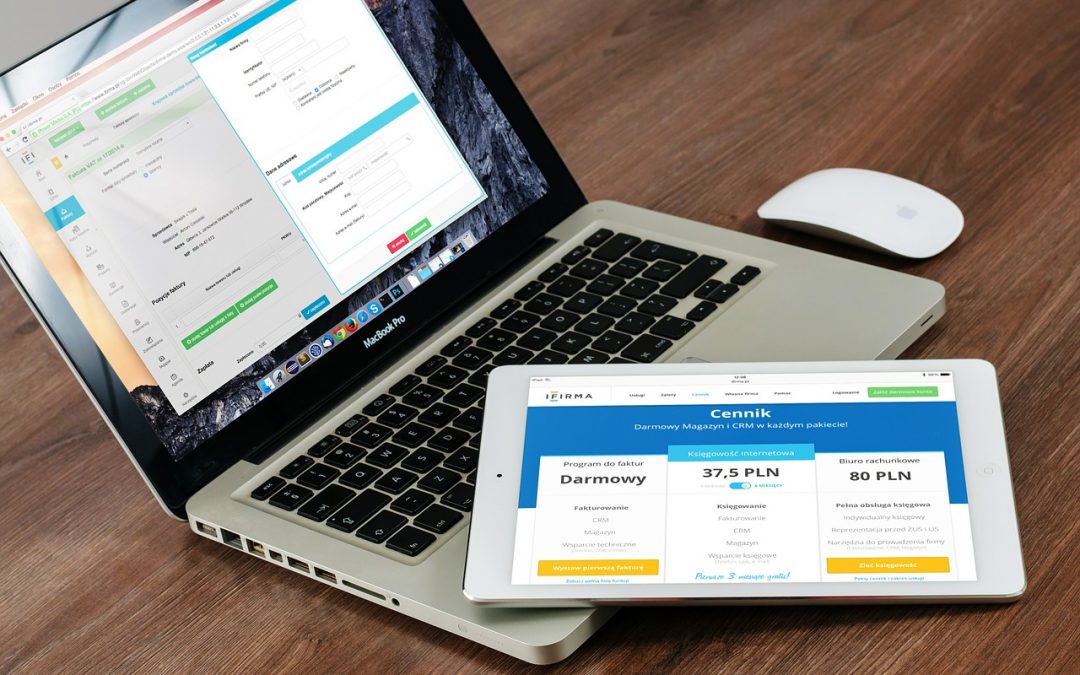
Your website is often the first impression potential clients have of your barbershop, and in many cases, it determines whether they book an appointment or keep scrolling. Think of your website as your digital storefront. Just like you wouldn’t run a barbershop with broken windows and peeling paint, you can’t afford to have an outdated, slow, or confusing website representing your business online.
The majority of people searching for barbershops in Oakville or Burlington are doing so on their phones. They’re looking for quick information: your location, hours, services, and how to book. If your website takes more than three seconds to load or isn’t optimized for mobile devices, you’re losing clients before they even see what you offer. Barbershop website design needs to prioritize speed and mobile responsiveness above everything else. A clean, fast-loading site that works flawlessly on an iPhone or Android device will outperform a flashy, complicated site every single time.
Every barbershop website should include a few essential pages. Your services page needs to clearly list what you offer, from classic cuts to skin fades to beard trims, with pricing if possible. Your location and hours page should include your exact address, a Google Map embed, parking information, and your operating hours for every day of the week. The contact and booking page is where conversions happen, so make it easy. Include your phone number prominently, online booking if you offer it, and a simple contact form as a backup option.
Beyond these basics, your website should have clear calls-to-action on every page. Whether it’s “Book Now,” “Call Us,” or “View Our Work,” visitors should always know what to do next. Professional photos of your shop, your barbers, and recent haircuts add credibility and help potential clients visualize their experience. Your website doesn’t need to be complicated, but it absolutely needs to be professional, functional, and built with the customer journey in mind.
Google Business Profile: The #1 Tool for Local Barbershop Traffic
If there’s one thing every barbershop owner needs to understand about marketing, it’s this: your Google Business Profile is more valuable than your Instagram account. When someone searches for “barbershop in Mississauga,” Google displays a map with three local businesses at the top of the results. This is called the Map Pack, and getting your barbershop into those top three spots drives more foot traffic than almost any other marketing channel.
Your Google Business Profile is the foundation of your local visibility. It’s where your business name, address, phone number, hours, photos, reviews, and services all live in one centralized location that Google uses to determine whether you deserve to show up when someone nearby searches for a barbershop. Optimizing this profile isn’t optional if you want consistent client flow.
Start with the basics. Make sure your business category is set to “Barber shop” as your primary category. You can add secondary categories like “Hair salon” or “Men’s hairdresser” if they apply, but your primary category is what tells Google what you do. Fill out every section of your profile completely. Add all your services individually, from fades to hot towel shaves. Upload high-quality photos regularly, including shots of your shop interior, your barbers at work, before-and-after transformations, and even your storefront. Google prioritizes businesses with more photos and recent activity.
Your business description is an opportunity to naturally include location-based keywords. If you’re in Vaughan, mention that. If you specialize in modern fades and traditional barbering techniques, say so. Write for humans first, but be intentional about including terms people actually search for. Keep your hours accurate and update them immediately if they change for holidays or special events.
Google also allows you to create posts directly on your profile. These can announce promotions, share new barber additions to your team, or showcase recent work. Regular posting signals to Google that your business is active and engaged, which can positively influence your ranking. Think of your Google Business Profile as a living, breathing asset that requires consistent attention, not something you set up once and forget about.
Reviews: The Trust Factor That Converts Walk-Ins
Reviews aren’t just nice to have. They’re the deciding factor for most people choosing between barbershops. When someone searches for a barbershop in Brampton and sees two options with similar locations and services, they’re going to choose the one with more reviews and a higher rating. It’s that simple.
Google reviews directly impact both your visibility and your conversion rate. From a ranking perspective, businesses with more recent, positive reviews tend to rank higher in local search results and the Map Pack. Google sees reviews as a signal of relevance and trustworthiness. From a customer perspective, reviews provide social proof. A barbershop with 150 five-star reviews feels like a safe bet. A shop with 12 reviews and a 3.8-star average raises questions.
The barbershops that consistently generate reviews aren’t just getting lucky. They have a system. After a great haircut, the best time to ask for a review is right then and there, while the client is still in your chair and satisfied with the result. Train your barbers to mention it casually: “If you’re happy with your cut, we’d really appreciate a quick review on Google. It helps us out a lot.” Make it easy by having a QR code at each station or on your counter that links directly to your review page.
How you respond to reviews matters just as much as getting them in the first place. Thank every person who leaves a positive review, even if it’s just a short, genuine message. This shows future readers that you care about your clients and pay attention to feedback. When you receive a negative review, respond professionally and without defensiveness. Acknowledge the concern, apologize if appropriate, and offer to make it right offline. Potential clients reading your responses are evaluating how you handle problems, not just how you handle praise.
Fake or competitor reviews do happen, and they’re frustrating. If you receive a review that’s clearly fraudulent, flag it through Google’s review reporting system and provide any evidence you have that the review is illegitimate. Don’t engage publicly with obvious fake reviews in a way that makes you look reactive or paranoid. Handle it through proper channels and move forward by continuing to generate authentic reviews that drown out the noise.
Local SEO for Barbershops: Getting Found in Your City
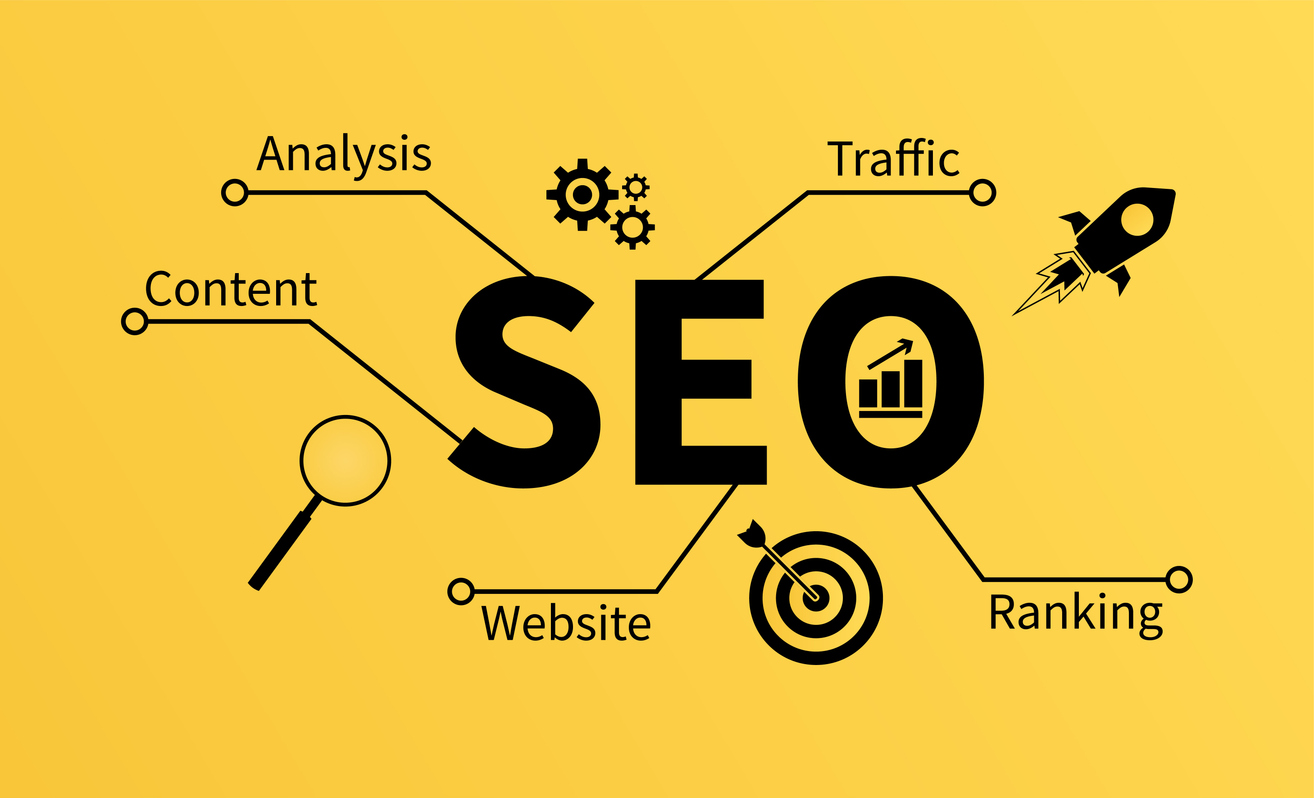
Local SEO might sound technical, but for barbershops, it’s really about making sure you show up when people in your area search for what you offer. When someone in Toronto types “barbershop near me” or “fade haircut Mississauga” into Google, local SEO is what determines whether your business appears in those results.
Barbershop SEO starts with understanding what people are actually searching for. Most searches include location qualifiers, either explicitly like “barbershop in Oakville” or implicitly through phrases like “near me.” Your website and online profiles need to reflect these search patterns. That means your website should have location-specific content that mentions the cities and neighborhoods you serve. If you’re located in Hamilton but also attract clients from Burlington, that geographic relevance should be reflected naturally in your site content.
On-page SEO involves optimizing the elements of your website that search engines read to understand what your pages are about. Your page titles should be clear and include relevant keywords without sounding forced. For example, “Professional Barbershop in Vaughan | Classic Cuts & Modern Fades” is better than “Home | Joe’s Barber.” Meta descriptions, the short summaries that appear under your page titles in search results, should compel people to click while also including your location and main services.
Creating location-based content on your website can significantly boost your local visibility. A simple “About” or “Location” page that mentions your neighborhood, nearby landmarks, and the communities you serve helps search engines connect your business to those areas. If you serve multiple cities, consider creating dedicated service area pages that speak to each location specifically without duplicating content.
Consistency across directories is another critical piece of local SEO. Your business name, address, and phone number need to be identical across Google, Apple Maps, Yelp, Facebook, and any other platform where your business is listed. Inconsistencies confuse search engines and can hurt your rankings. Claiming and updating your listings on these platforms ensures accuracy and reinforces your local presence.
Social Media Marketing That Supports Your Barbershop
Instagram and TikTok are powerful tools for barbershops, but they’re often misunderstood. Social media is excellent for building trust, showcasing your work, and creating a brand identity. What it’s not great at is directly driving new clients through the door, at least not in the consistent, predictable way that local search does.
The value of social media for barbershops is in reinforcement and engagement. When a potential client finds you on Google and sees that you have a strong Instagram presence with hundreds of recent haircut photos and satisfied clients, it validates their decision to book with you. Social media builds credibility and keeps you top of mind with existing clients. It’s a supporting player, not the lead actor in your marketing strategy.
What you post matters more than how often you post. Focus on high-quality content that demonstrates your skill and professionalism. Fresh cuts posted right after they’re finished, dramatic before-and-after transformations, and short videos showing your technique all perform well. Client reactions and testimonials, whether in Stories or posts, add authenticity. Behind-the-scenes content showing your shop atmosphere and team culture helps potential clients feel like they already know you before they walk in.
The mistake many barbershop owners make is treating Instagram like it’s their entire marketing plan. They’ll invest hours creating content and chasing followers while neglecting their Google Business Profile or website. Social media works best when it’s part of a complete system. Use it to engage your existing audience and give potential clients a reason to trust you, but pair it with strong local SEO and a professional online presence that captures people actively searching for a barbershop right now.
Engagement matters more than follower count. A barbershop with 800 local followers who regularly interact with posts and bring in referrals is far more valuable than one with 5,000 followers from around the world who will never book an appointment. Focus on building a genuine community within your city, respond to comments and messages quickly, and use location tags to increase local discoverability.
Google Ads for Barbershops: When and How to Use Them
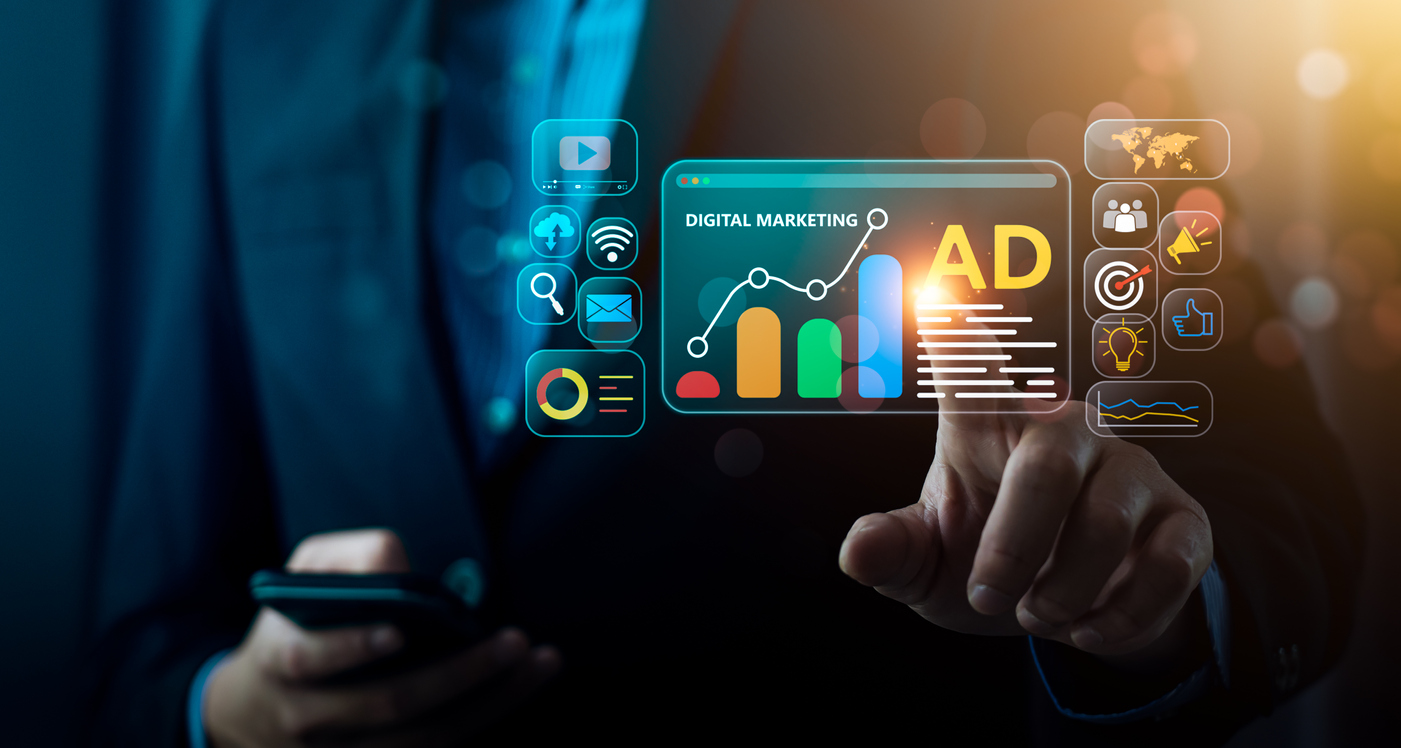
Google Ads can be an effective tool for barbershops, but only when used strategically and with clear intent. Unlike organic SEO and your Google Business Profile, which build momentum over time, Google Ads deliver immediate visibility by placing your business at the top of search results. The question isn’t whether they work; it’s whether they make sense for your specific situation and goals.
Google Ads make the most sense in a few specific scenarios. If you’re opening a new barbershop in Brampton or any other GTA city, paid ads can help you build awareness quickly while your organic presence is still developing. During slower seasons or months when bookings typically drop, a targeted ad campaign can fill gaps in your schedule. If you’re launching a new location and need to drive traffic fast, ads provide that immediate boost. They’re also useful for promoting specific services or limited-time offers that require urgency.
The key to successful barbershop Google Ads is local intent. You’re not trying to reach everyone. You’re trying to reach people in your immediate area who are actively searching for a barbershop right now. That means your ads should target location-specific keywords like “barbershop near me,” “haircut in Mississauga,” or “barber Oakville.” These high-intent searches convert because the person is ready to book, not just browsing.
Proper setup is critical. Sending ad clicks to your homepage isn’t enough. Create dedicated landing pages that match the intent of the ad. If your ad promotes skin fades, the landing page should feature information about that service, pricing, photos, and a clear call-to-action to book. Install conversion tracking so you know exactly which ads are generating phone calls and appointment bookings. Set geographic targeting carefully to avoid wasting budget on clicks from people too far away to realistically visit your shop.
Running Google Ads without a strategy or trying to manage them yourself without experience often leads to wasted money and frustration. The platform is complex, and small mistakes in targeting, bidding, or ad copy can drain your budget quickly. If you’re going to invest in paid advertising, either commit to learning the platform thoroughly or work with a barbershop marketing agency that understands local service businesses and can manage campaigns profitably.
Marketing Mistakes Barbershops Commonly Make
Even barbershops with great talent and strong client relationships make preventable marketing mistakes that limit their growth. Recognizing these patterns can help you avoid them and build a more effective strategy.
The most common mistake is relying exclusively on Instagram or social media for marketing. It feels productive to post daily and engage with followers, and those activities do have value, but they don’t replace the need for visibility in local search. Someone scrolling Instagram might see your post, but someone searching “barbershop near me” on Google is ready to book an appointment right now. Social media alone leaves money on the table because it doesn’t capture active search intent.
Not maintaining or optimizing a Google Business Profile is another widespread issue. Some barbershop owners set up their profile years ago and haven’t touched it since. They’re missing out on posts, updated photos, service listings, and all the optimization opportunities that could improve their ranking. Others don’t respond to reviews or let their hours go out of date, which damages trust and visibility. Your Google Business Profile requires ongoing attention to perform at its best.
Having no website or an outdated one sends a terrible signal to potential clients. When someone finds you online and clicks through to a website that looks like it was built in 2010, hasn’t been updated in years, or doesn’t work properly on mobile devices, they assume your barbershop is equally outdated or unprofessional. In competitive markets like Toronto and Mississauga, you’re competing against shops that invest in modern, professional websites. Barbershop website design isn’t a luxury; it’s a necessity.
Ignoring reviews is leaving free marketing and reputation management on the table. Not asking satisfied clients for reviews means you’re growing slower than you could be. Not responding to reviews, whether positive or negative, signals that you don’t value feedback or client relationships. Reviews are one of the highest-leverage activities you can focus on, and many barbershops simply don’t prioritize them.
Running ads without a clear strategy or proper tracking wastes money. Boosting Instagram posts randomly or running Google Ads without understanding targeting, keywords, or conversion tracking rarely produces positive ROI. Paid advertising works, but only when it’s part of a larger plan with measurable goals and proper execution.
How a Complete Barbershop Marketing System Works Together
The barbershops that dominate their local markets don’t rely on any single marketing channel. They understand that effective marketing is a system where multiple elements work together to create consistent visibility, credibility, and client acquisition.
A complete system starts with a professional website that serves as your digital home base. It’s where all other marketing channels point back to. Your Google Business Profile is optimized and actively managed, ensuring you appear in local search results and the Map Pack. Your review generation process is systematic, producing a steady stream of new testimonials that boost both your ranking and your reputation. Your local SEO ensures that your website and online presence align with what people in your area are actually searching for.
Social media supports this foundation by showcasing your work and engaging your community, reinforcing the trust potential clients already started building when they found you on Google. When needed, Google Ads provide an additional boost during slower periods or for new locations, driving targeted traffic while your organic efforts continue building momentum in the background.
Consistency beats sporadic effort every time. A barbershop that posts regularly on Google, maintains an updated website, generates reviews consistently, and stays visible in search results will always outperform a shop that does random bursts of marketing activity followed by months of silence. Marketing isn’t a campaign you run once. It’s an ongoing process that compounds over time.
Understanding the difference between short-term and long-term results helps set realistic expectations. Google Ads can deliver clients this week. Building your Google Business Profile, improving your SEO, and accumulating reviews takes months to show significant results, but those results become more powerful and sustainable over time. The barbershops that win combine both approaches: they use short-term tactics when needed while consistently investing in long-term assets that grow in value.
Predictable growth comes from predictability in your marketing. When you know your Google Business Profile is optimized, your website converts visitors into calls and bookings, your reviews are growing steadily, and your local SEO is positioning you above competitors, client acquisition becomes less random and more reliable. You move from hoping the phone rings to knowing why it rings and how to make it ring more often.
Final Thoughts: Marketing Is an Investment, Not an Expense
Marketing should support your craft, not distract from it. As a barbershop owner, your focus should be on delivering excellent service, managing your team, and creating an environment where clients want to return. That’s why partnering with professionals who understand barbershop marketing makes sense for most shop owners. Trying to become an expert in website design, SEO, Google Ads, and reputation management on top of running your business pulls your attention away from what you do best.
Choosing the right barbershop marketing agency means finding a partner who understands the local service industry and specifically how barbershops acquire and retain clients. Generic marketing agencies that work with all types of businesses won’t have the specialized knowledge to position your shop effectively in competitive GTA markets like Mississauga, Vaughan, or Toronto. Look for agencies that can demonstrate results with other barbershops, understand local SEO deeply, and approach marketing as a system rather than isolated tactics.
Marketing isn’t a cost you begrudge paying. It’s an investment that directly impacts your revenue, your chair utilization, and the long-term value of your business. Every client who finds you through Google search, books because of your reviews, or chooses you because your website made booking easy represents return on that investment. When done correctly, marketing pays for itself many times over.
The barbershops that thrive in today’s competitive landscape are the ones that embrace visibility, build trust through reviews and professional presentation, and establish local dominance in their cities. They understand that being great at cutting hair is the foundation, but being found by the right clients at the right time is what turns skill into a sustainable, growing business.
At LevelUp Marketing Solutions, we’ve built our entire focus around helping barbershops in the GTA do exactly that. We handle the marketing system so you can focus on what you do best. If you’re ready to stop wondering where your next client is coming from and start building predictable growth, let’s talk about what a complete barbershop marketing strategy can do for your business.